Colorism is a daily marginalizing force in the lives of Women of Color just like racism, sexism and classism. If there's any confusion about why it's such a big deal, Kim (@KimberlyNFoster) is here to clear it up.
The effects of colorism in pop-culture are no secret. From celebrities having their skin lightened on magazine covers, to Lil Kim debuting her bleached skin and blonde hair on Instagram, to Zoe Saldana darkening her skin and wearing a prosthetic nose to portray the darker-skinned Nina Simone in the recent biopic. Colorism on this scale is a global phenomenon that - as highlighted in a recent essay by Vulture writer Mallika Rao - society is "still so bad at talking about."
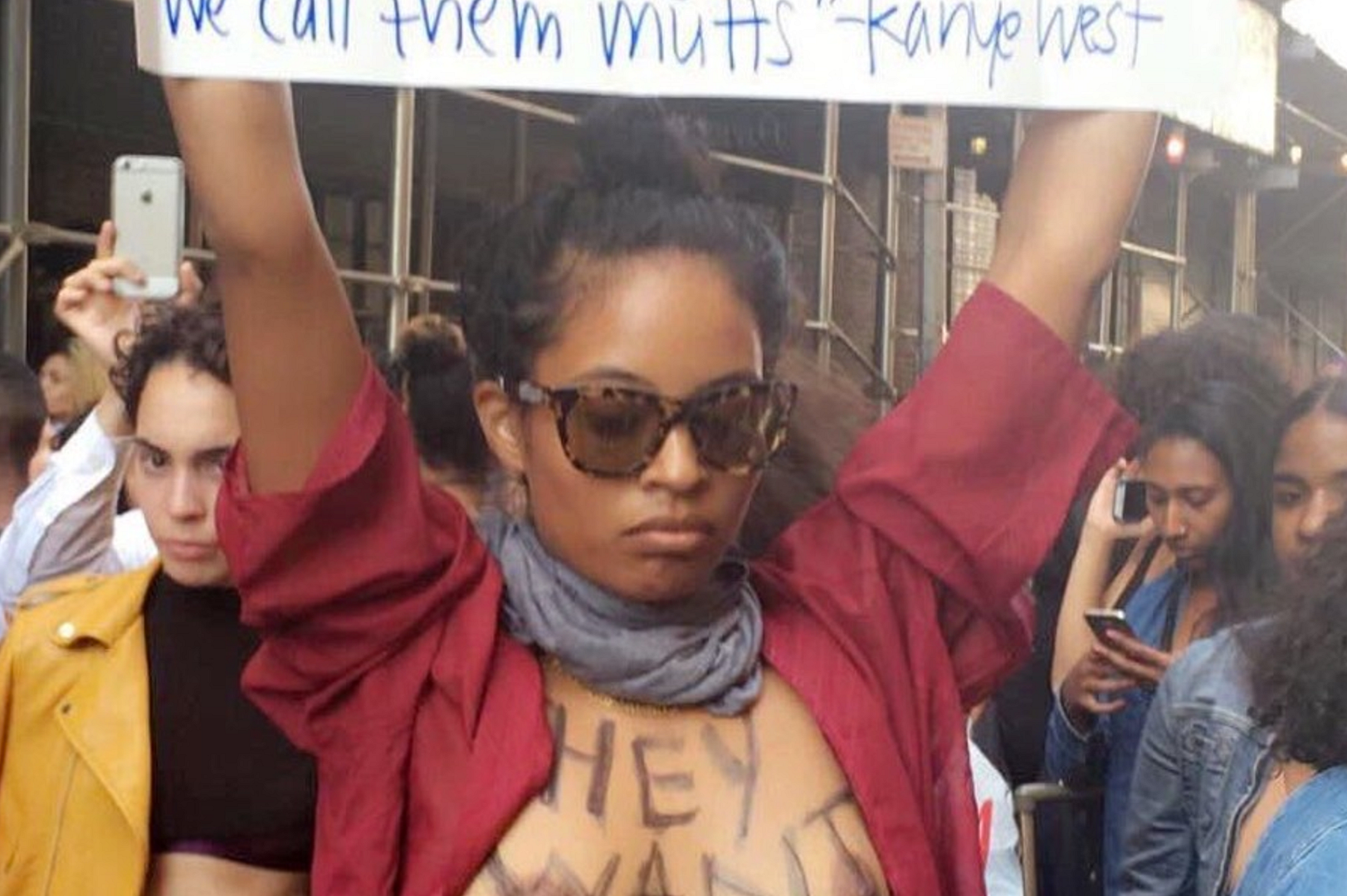
But Chika Okoro, a 2nd year MBA student at Stanford Graduate School of Business, is talking about it on a big stage. Her speech at the TEDx Stanford conference in May is going viral as she breaks down colorism, not only in pop-culture, but in her own life, too.
It was the casting call for the movie Straight Outta Compton that inspired her speech. The Sande Alessi Casting agency advertised a list on their facebook ranking “A Girls” as the “hottest of the hot,” women of all races, with long hair and no extensions. “B Girls” were light skinned with long natural hair with great bodies - “Beyonce is the prototype here” it said. "C Girls" were African Americans with medium or light skin tones and weave.
And then there are the "D Girls." It read, “These are African American girls. Poor, not in good shape. Medium to dark skin tone.”
Under this criteria, Okoro would have been a “D Girl,” she solemnly admits.
eeWhen I first read this, I felt betrayed, Any given year there are just a handful of movies starring Black actors and actresses, just a handful of of opportunities when people can see actresses that look like me on the big screen and see that we’re fierce and beautiful and desirable, so I felt betrayed that when even in these small circles where I’m allowed to feel beautiful, I’m still shoved aside for those with more “Favorable” features: Light skin, light eyes, long soft real hair.
Casting calls like this perpetuate colorism, setting unattainable standards of beauty for so many Black women (she notes that technically, even Beyoncé doesn’t make the cut for an “A Girl” by those standards).
Okoro first noticed colorism in high school, she said, but she “didn’t actually know the term or formally learn about it until college.”
“You’re so pretty... for a dark skinned girl” is the back-handed “compliment” she remembers hearing in school - an all too familiar refrain for darker-skinned women in America. These are messages that have stuck with the Harvard alum ever since.
“[The] Stanford Graduate School of Business has a program where they give students a chance to give 9 min talks on a topic of their choice and once I saw that casting call, I knew I wanted to give my talk on colorism.” Okoro said.
Her TEDx Stanford video is going viral, raising awareness on this global phenomenon. It hits all of the poignant facts about colorism: the history - the discrimination between field slaves and house slaves - and the societal effects - from the infamous brown paper bag test to the 2010 CNN study where even elementary aged Black children labeled images of dark children as "dumb" and "ugly."
"The first step to change is awareness" Okoro says in her talk. And her speech is a part of that change helping society understand that "D Girls are beautiful too."
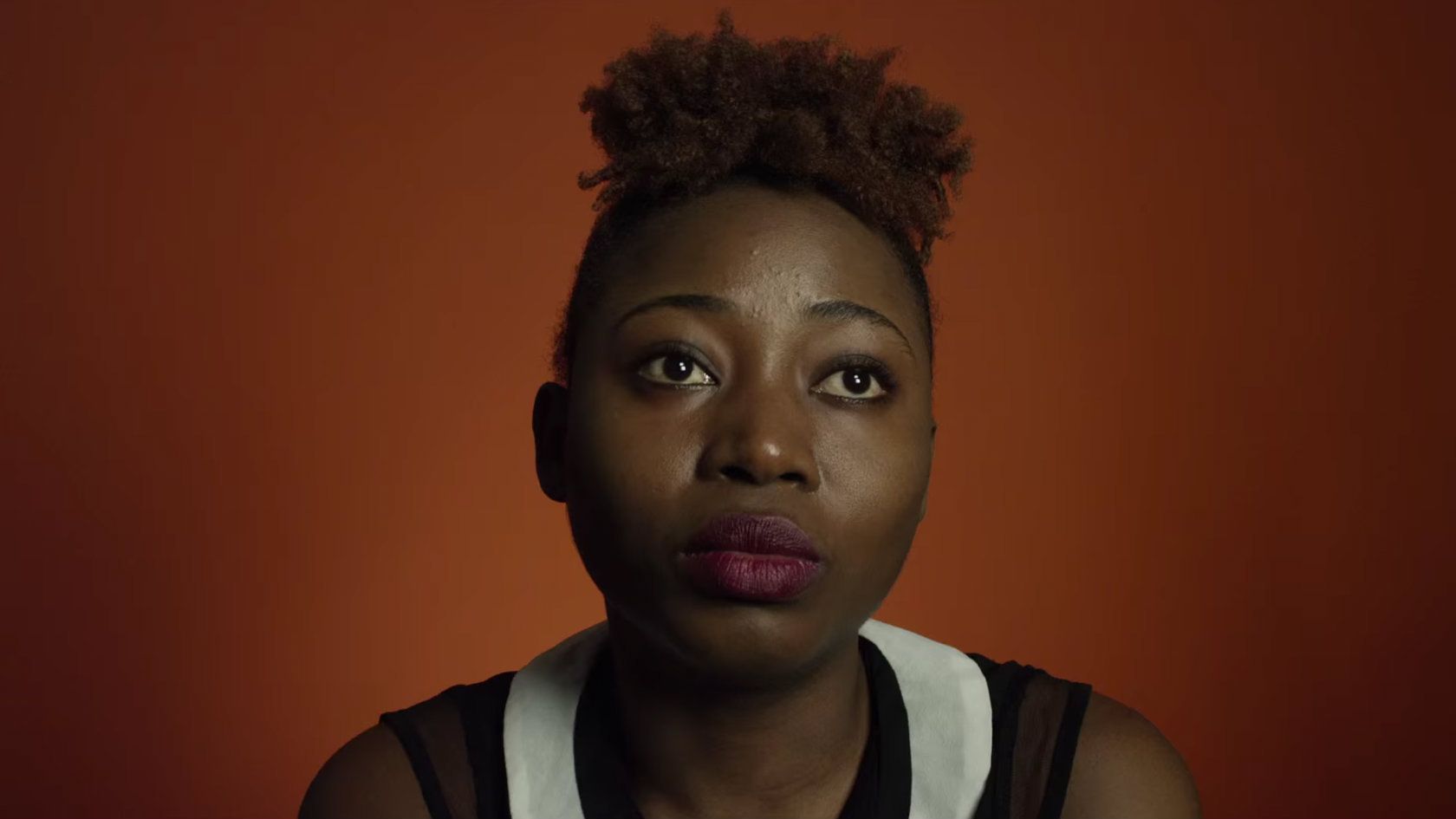
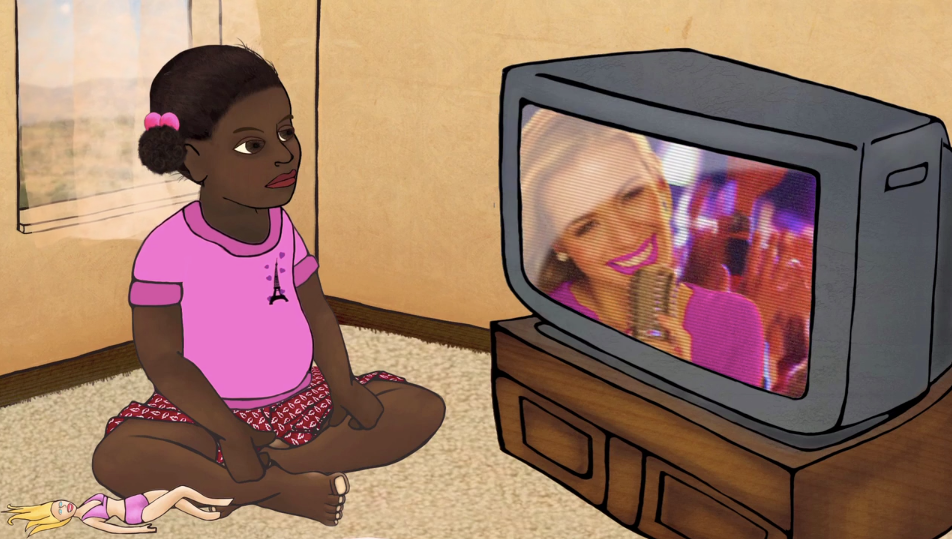
Colorism can be a sticky subject. Discussions often devolve into finger pointing and hurt feelings, so it's refreshing to see honest dialogues about skin color among Black women that have none of that. The Cut managed to do it with one-on-one interviews with Black women of various shades. When asked to respond to the words "Skin Tone," the women gave candid answers.
Across the world, women of African descent are traumatized by unachievable white standard of beauty. Colorism is a component of institutionalized white supremacy that holds us all hostage.
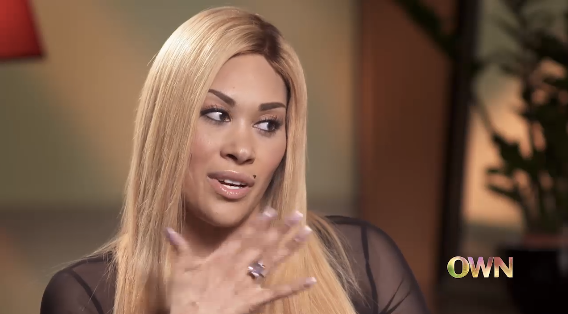
The "Light Girls" documentary will air on January 19 on OWN. In a new trailer, women recall the taunts and insults they've received because of their complexion. Image activist Michaela Angela Davis says in the clip, "Black women have been cultured to compare and not connect."
LisaRaye is making her directorial debut with a new drama. "Skinned" explores colorism within Black communities through the story of a young woman named Jolie. Jolie's insecurities compel her to bleach her skin and endure the accompanying health consequences.
Dr. Yaba Blay, the creator of the celebratory Black beauty blog Pretty Period, sat down with image activist Michaela Angela Davis to discuss the complexities of beauty standards.
During the discussion, Yaba talks about her own experiences with colorism and how her projects help facilitate healing in Black men and women.
Earlier this year, rapper Kendrick Lamar dropped his highly anticipated video for "Poetic Justice" and surprised everyone when his leading lady turned out to be a gorgeous dark skin woman. In this video, Kendrick's co-star Brittany Sky speaks out on her views on the importance of seeing diverse representations of Black women in popular media.