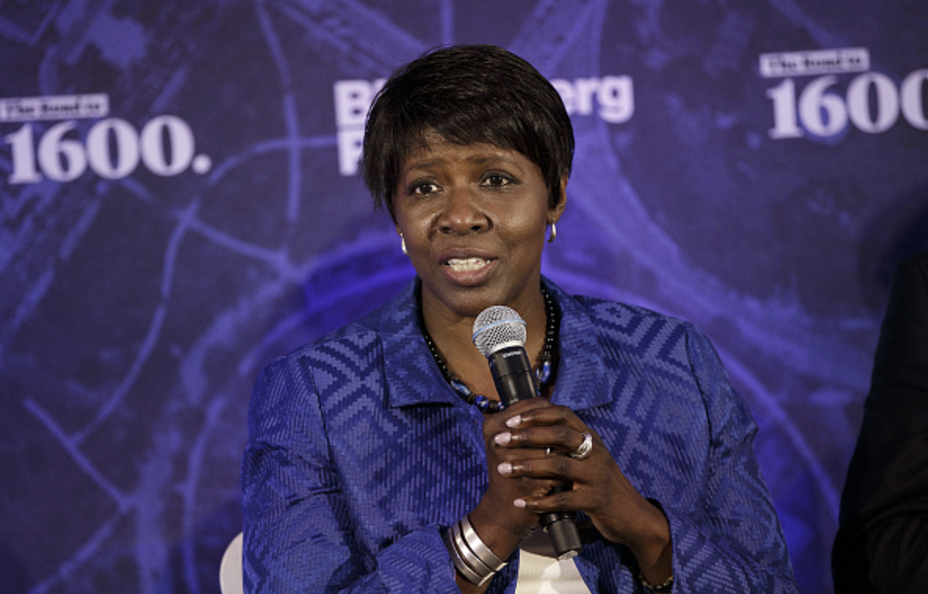
Few Black women have chipped away at the glass ceiling of political journalism as Gwen Ifill did in her decades-long career. The veteran journalist succumbed to cancer at 61, PBS Newshour confirms.
Ifill became the first Black Woman to host a political talk show when she took over as host of PBS' Washington Week in Review in 1999. Ifill was a skilled debated moderator. She led Vice Presidential Debates in 2004 and 2008 as well as a presidential primary debate between Hillary Clinton and Bernie Sanders in February.
In 2013, Ifill was named co-host of the PBS NewsHour.
Paula Kerger, president and CEO of PBS, said Ifill was "a fundamental reason public media is considered a trusted window on the world."
"Her contributions to thoughtful reporting and civic discourse simply cannot be overstated," Kerger said.
She noted her commitment to empower Black girls who want to enter the field of journalism as she accepted the 2007 NPF Taishoff Award for Excellence in Broadcast Journalism.
"If it's a young Black girl I feel a special responsibility," she said, "because I know that when I was a young Black girl I didn't see a lot of people who looked like me on television. And so it's important that she has something that she can look at and say, "Oh that's something I could do."
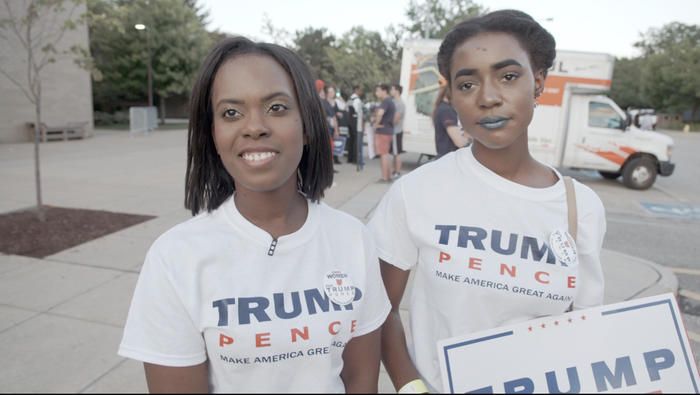
ShoMore DeNiro canvassed for President Obama when she was in high school, but this election she's committed to voting for Donald Trump. She and her friend Justis Harrison were profiled for Australian news magazine show Dateline. DeNiro says her views align with the Republican Party's standard bearer.
“A lot of things that Mr. Trump is actually saying is what I believe in, she said.
“We were a really good country and I don’t know what happened through the years, but I’d like us to get back to where our jobs were here and our education was back on top.”
ShoMore and Justis are extreme outliers. Hillary could receive more than 90% of Black women's votes in the general election. And in the clip you'll see them wade through seas of white Trump supporters.
Black women are taught from birth that we are responsible for any attention our bodies attract. Instead of teaching girls to love and delight in their bodies, they learn to hide them because they will be shamed or assaulted. Watch Kimberly Foster explain that the revolution begins by shifting the paradigms for Black women and girls.
Amandla Stenberg is Teen Vogue's latest cover star, and she's not talking beauty routines and fashion trends in the issue. She's getting to the heart of what it means to be a Black girl. It's an incredible thing to see Amandla shed light on the issues that affect our community in a clear and thoughtful way.
For Teen Vogue she's participated in a series of video conversations on life as a Black girl. Check them out.
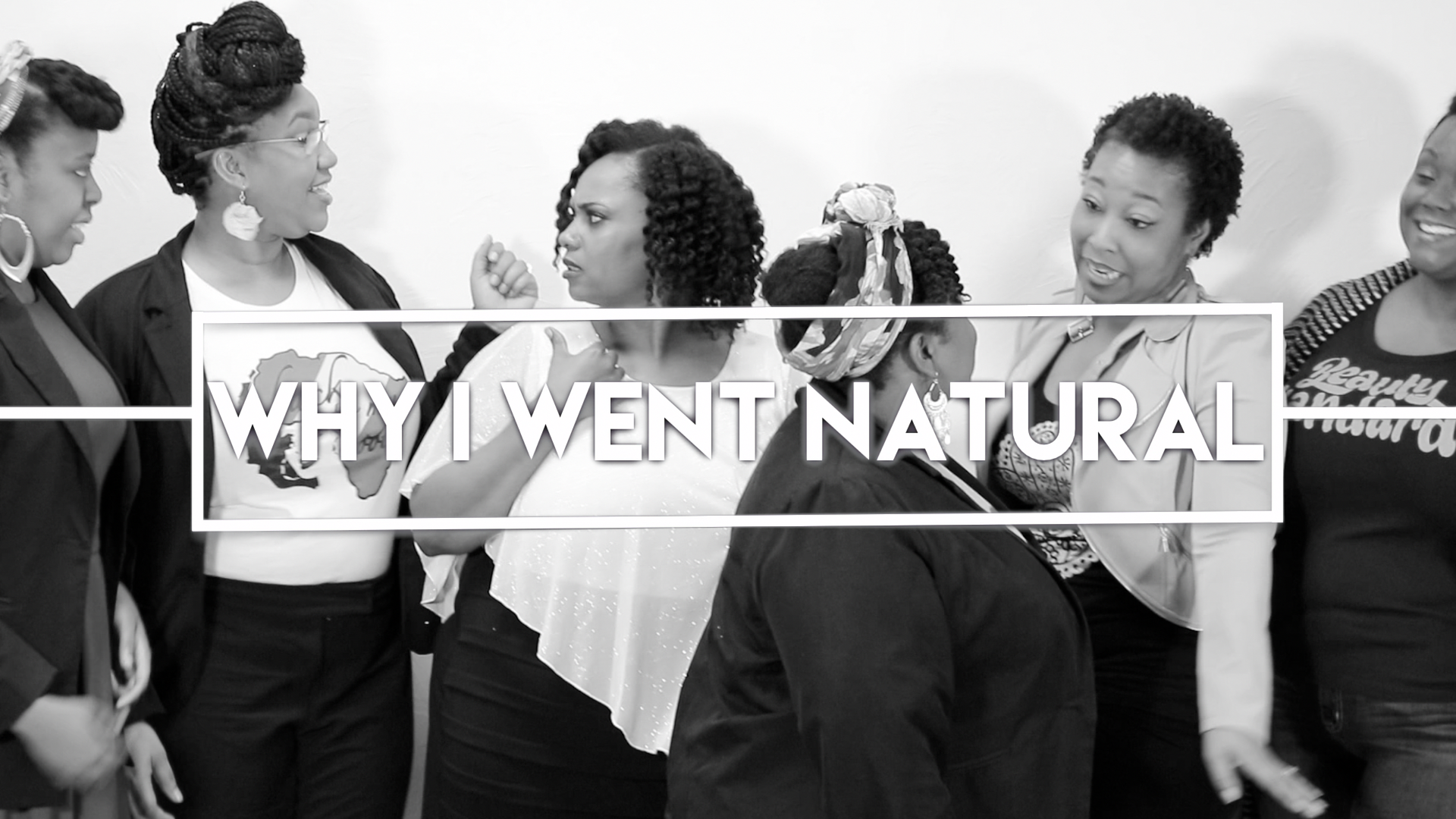
Everyday more and more Black women are letting relaxers go for a variety of reasons. For some it's a matter of ease. The care and upkeep required for having healthy, relaxed hair can be overwhelming. Others just wanted to know and love their full selves.
After the Cuban revolution of 1959, cinema became a major component in the socio-political revolution of the Cuban consciousness. Some filmmakers experienced a rise to fame, while the names of other filmmakers are almost forgotten in the public memory. Two years ago, I embarked on research to begin filming Nuestra Cuba (Our Cuba), a documentary that follows the untold stories of the Institute of Cuban Cinematographic Art and Industry’s (ICAIC) first women and Afro-Cuban filmmakers: Sara Gomez and Gloria Rolando.
Black women living in Rome, Italy take some time to talk about the ups and downs of the experience. The short film from Pizzoli Media, gives us a different look at life abroad. While many of the women recall positive interactions with Italians like being complimented often, one of the women recounts a violent encounter on public transportation.
Coffee and Cream is “a web series aiming to connect women by sharing our very normal daily thoughts and experiences” developed by actress Karin Nicole and her team. “[The series] was developed to encourage and normalize conversation between women (as well as men) on these “minor” but important topics focused on being a woman,” Karin wrote in a press release. “The main goal is to increase the understanding, respect and appreciation for women as a whole.”