Black girls are often ignored in policy making despite the fact that they are disproportionately pushed out of schools via punitive disciplinary measures. Thankfully, scholars and activists are taking up the gap in attention paid to the issues that affect them. A groundbreaking study of the challenges Black girl face was released last year by the African American Policy Institute.
According to federal data, black girls are suspended from school at a rate that is six times higher than that of their white female peers. In New York City and Boston, black girls represented 56 percent and 61 percent, respectively, of all girls disciplined in those cities’ K-12 schools, even as incidents of discipline against black girls go underreported. Black girls receive harsher criminal sentences than their white female peers do in the juvenile-justice system, and they also represent its fastest-growing population.
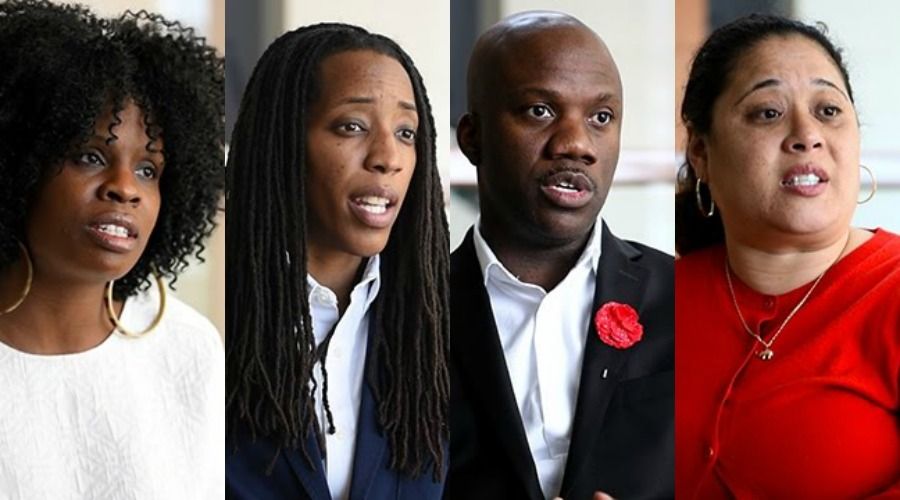
They interviewed four scholars about what Black girls in schools need.
Shaun Harper says that the needs of Black girls must be assessed independently of the needs of Black boys.
Adrienne D. Dixson says that educators have to take more time to understand why kids behave the way they do. "Sometimes when kids feel oppressed or repressed they respond in the language that they know," she says. "Schools should recognize that...they're responding to an environment that doesn't help them feel free."
Terri Watson says, "I think Black girls are either seen as invisible or they're problematized." To change this she says the spaces they inhabit must adapt. "The challenge is not how do we change Black girls but how do we make sure that these places celebrate and respect them and who they are and view them as assets as opposed to problems."
Bettina Love says "Black girls are misunderstood" and encourages the exploration of Black Girlhood as a site of academic study. "I think if we're going to talk about the issues that are affecting the most vulnerable, it's Black girls and that hasn't been said," she explains. "I think we really need to think deeply about how we are disciplining, testing, interacting, engaging with our Black girls."
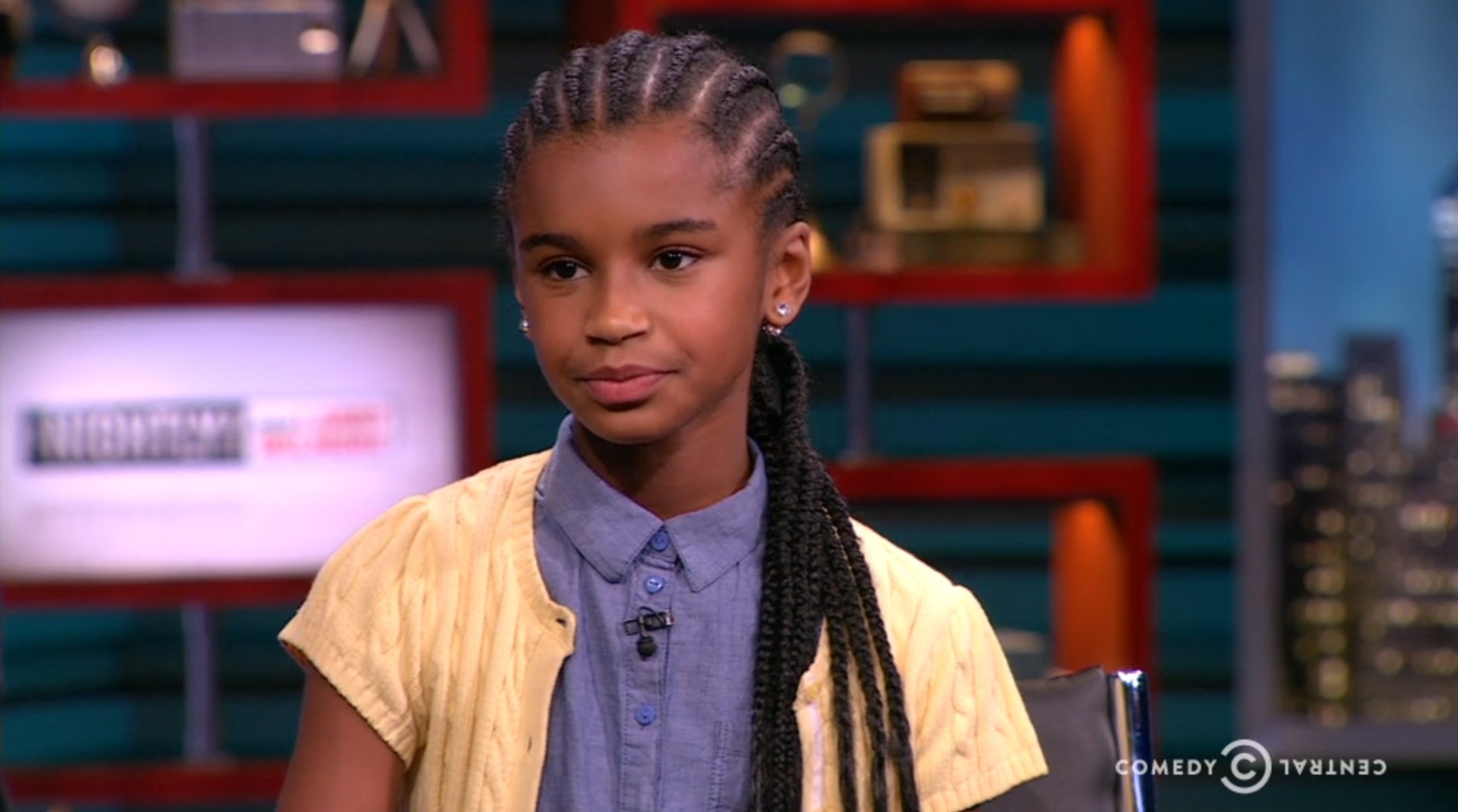
Marley Dias started a book drive to collect stories that centered Black girls that look like her and became a national story. She stopped by The Nightly Show with Larry Wilmore to talk a little bit more about the project.
Marley, clearly an astute reader, said she got the idea when she noticed that all the books about white boys she read, Where the Red Fern Grown, Shiloh, and Old Yeller, had disconcertingly similar plots.
She told Larry why it's so important to read stories about people you can relate to. "Like you host a tv show," she explained. "If you were to read a story about a Black man who hosts a tv show, then you'd remember whatever he learned, so you could use it on the show."
Her favorite book? Jacqueline Woodson's National Book Award-winning Brown Girl Dreaming .
Alexis Kyle, 13, faces 30 days in alternative school for accepting a classmate's inhaler while she was having an asthma attack in gym class. Both Alexis and her classmate, Indiyah Rush, are 7th graders in Garland, Texas. Both girls are on the A-B honor roll.
The district says the girls' punishment is automatic for sharing a controlled substance like medication. The middle school's principal will weigh all the facts and make a decision about alternative school for the girls at their hearings to appeal the punishment. The two girls could get a range of days at the alternative campus – from none to 30.
“I'm getting in trouble, but the thing is, she's getting in trouble too. She tried to help me,” Kyle said.
Kyle says she had no clue she was breaking a rule. Kyle's parents appealed the disciplinary action on Thursday. Indiyah's hearing is today.
Amandla Stenberg is Teen Vogue's latest cover star, and she's not talking beauty routines and fashion trends in the issue. She's getting to the heart of what it means to be a Black girl. It's an incredible thing to see Amandla shed light on the issues that affect our community in a clear and thoughtful way.
For Teen Vogue she's participated in a series of video conversations on life as a Black girl. Check them out.
A video released Monday shows a school resource officer at Spring Valley High School in Columbia, South Carolina dragging a seated student from her desk as a teacher and her classmates looked on. The student did not appear to be combative as the officer placed her in a chokehold, flipped her to the ground and violently arrested her.
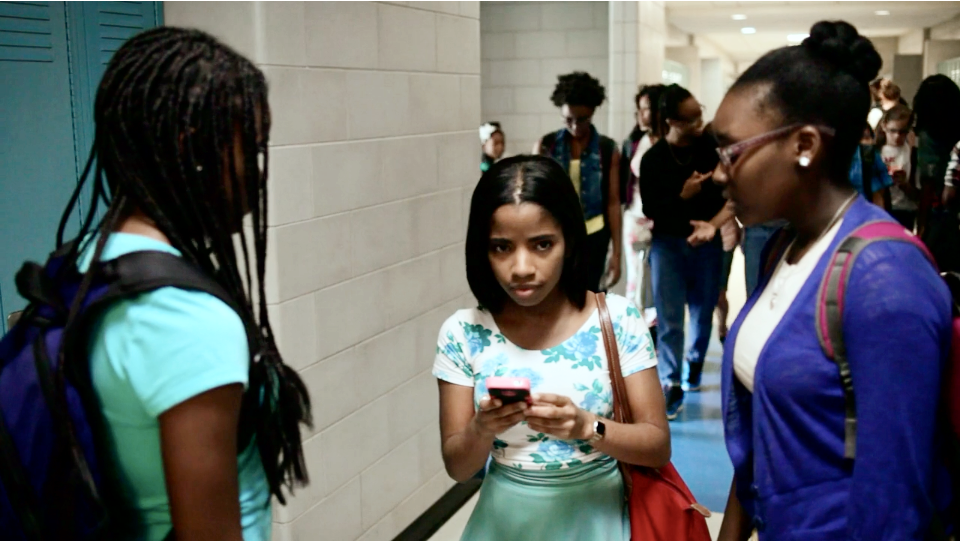
Stefani Saintonge's Seventh Grade tells a riveting story of power of friendship. Patrice still plays with dolls, but she and her friends are growing up. When a rumor threatens her bestfriend, Laura's, reputation, she springs into action.
Representation matters. When Ameka Ali, founder of Higher Mind Apps, noticed the lack of female heroines in children’s literature, she was moved to create Ameka Love, an interactive picture book app series for children ages 3-10.
Today, Black folks from all backgrounds and across multiple identities are affirming their beauty and self-worth by posting selfies under the hashtag #BlackOutDay. The movement, which began on Tumblr and has since moved to Twitter and Facebook, has been a huge success.
Two Florida police officers, James Festa and John Rigdon, are accused of forcing an 11-year-old girl to the ground at gunpoint while responding to a burglary call at her home.
Officers arrived at the Groveland, Florida home with guns drawn in response to a burglary alarm that was accidentally set off.
Girlhood (also known by its original French title, Bande des Filles) is a new film to receive a limited national release in major U.S. cities, but it's been making a huge stir in the cinema world. The French film follows Marieme, a 16-year-old girl who feels lost in the way that many teenagers often do. Between home and school, Marieme doesn't feel as if she belongs anywhere. Until she meets three girls—Lady, Fily, and Adiatou—who welcome her into their "girl gang." Despite the title, the trouble that they get into is limited to verbal fights with other groups of young women, and some shoplifting. What the three young women really offer Marieme is a sense of belonging through deep sisterhood and a taste of freedom.
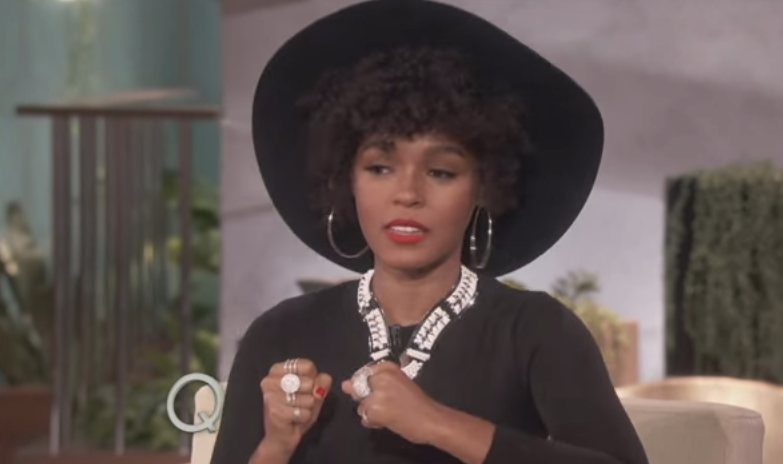
It's a shame that the Queen Latifah show will no longer air because it's so rare to see moments like this on television. Janelle Monáe surprised one of her biggest fans, 10-year-old McKynzie Duhon, and shared some wise words with her. Janelle was clearly moved by McKynzie's admiration. As she began to cry, she told Queen Latifah, "Never in a million years did I think that I would see a young black girl wanting to look like me."
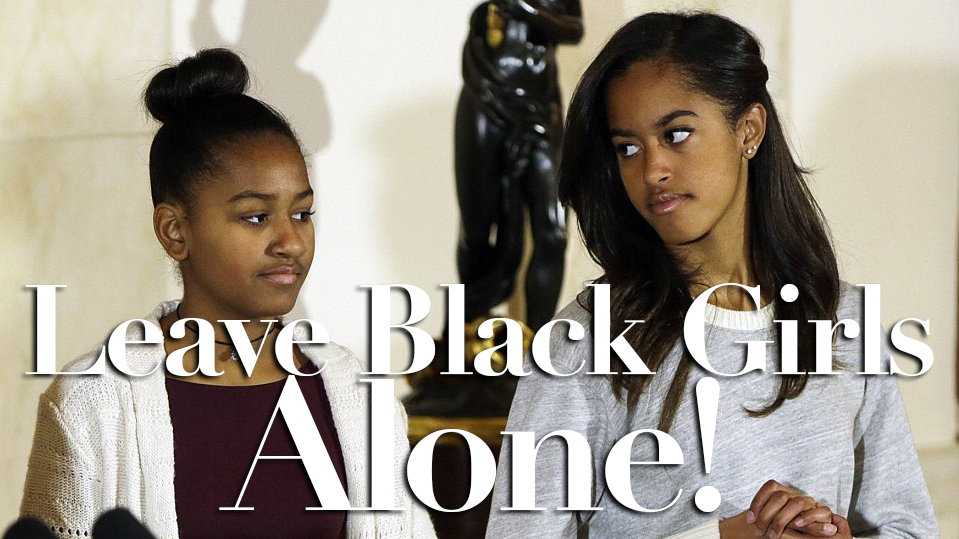
Elizabeth Lauten's criticism of Sasha and Malia Obama despite her own juvenile arrest recordreveals how far some will go to strip black children of the right to be kids.Here's my take.
At South Shore Fine Arts, Indigo and her friends are given the opportunity to participate in visual and performance arts after school. But when school ends for the summer, it's up to the parents in south shore to find a safe and affordable 'education' for their daughters. Despite finical and family troubles, parents enroll their kids in summer programs with the hope of preparing them for more than just the fall semester. In Chronicles of the Summer, we see how much the girls learn as they deal with the personal and artistic challenges that shape their identity during a critical age. Confronting notions of a 'poor education', this community redefines what is worth learning.
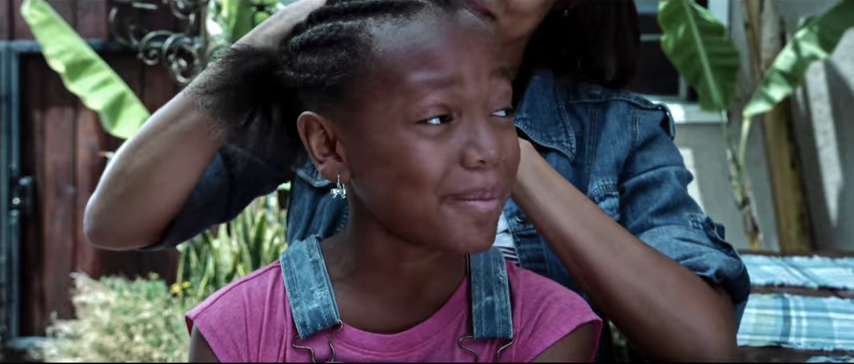
"Rapunzel Jackson" is an independent film based on the classic children's fairytale. This take is much more relatable for many black women in girls. Rapunzel Jackson longs to be whisked into womanhood with a perm, and once she gets it, she finds it's not quite what she expected.